




UK Band Merchandise Pricing Guide 2026: What to Charge
This blog is primarily geared towards bands that are just starting out, have recently begun gigging and touring, or are looking to jump up to the next level, but anyone can use the information and our free tools to their advantage.
If you're still pricing your merch like it's 2018, you're likely holding your band back.
Gigging and touring costs across the UK have seen a steady and rapid rise over the past few years. Print consumables have gone up, fans' buying habits have shifted, and venue percentages haven't just disappeared; they've increased. On top of that, venues are increasingly trying to take a cut of merch too, and if you're hiring crew, they need to be paid.
Since streaming took over, most bands have had to adapt quickly. Royalties from streaming platforms are notoriously low, and traditional music sales have taken a significant hit. Merch has become one of the most reliable revenue streams a working band can have - and yet many bands are still pricing t-shirts at £10 to £15. Anything under £15 can be perceived as low quality by fans, and it leaves very little margin for the band.
In 2026, pricing correctly isn't about being expensive. It's about being sustainable.
Why Merch Pricing Matters More Than Ever
Underpricing your merch creates real problems. Your profit margin becomes too thin, you can find yourself short on tour, you can't comfortably reorder stock, and you end up limiting what you can reinvest into recording, marketing, and future touring.
Price it right, and your merch starts doing serious work for you - funding future releases, covering tour costs, supporting higher quality production, and helping you hire crew when you need it. The goal is a band that pays for itself.

3 Pricing Mistakes UK Bands Still Make
1. Pricing based only on production cost
Just because a shirt costs £9 to print doesn't mean it should retail at £18. Your retail price should reflect perceived value, brand strength, and audience demand - not just what you paid to produce it.
2. Avoiding price increases
If your prices haven't changed in a few years, your margin has shrunk, even if your sales look healthy. Costs have gone up; your pricing needs to reflect that.
3. Undercutting other bands
Being the cheapest band on the bill rarely builds credibility. It often signals lower value. Confidence sells, and strong branding supports strong pricing.
What Does a Healthy Merch Margin Look Like?
For most UK bands, a sustainable merch margin sits somewhere between 60–75% after production costs and fees. That gives you room to cover venue percentages, payment processing, reorders, growth, and tax. Drop below that consistently, and things get restrictive fast.
If you're not sure what your numbers look like, run them through our free band merch profit calculator before your next print run.

Touring vs. Online: A Different Approach for Each
Your merch table and your online store serve different purposes, and your strategy should reflect that.
At gigs, keep it simple. Use round numbers - tees £20, hoodies £40, patches £10. Fast transactions matter, and impulse purchases are your friend. If you can put together a tour-only bundle, even better. And don't overlook a tip jar on your merch table - fans with loose change will often happily throw some in.
Online, you have more room to play. Try bundles like a t-shirt and patch together, run limited edition drops, and test premium pricing tiers. There's a lot of room to experiment, but keep your pricing consistent and protect your margin regardless of the format.
Bonus
Use our Free Sales and Merch Inventory Sheet to help you keep track of what you sell at your merch table, at gigs and when on tour.

Recommended UK Band Merch Pricing (2026)
These ranges are not exhaustive but reflect what we're seeing across UK tours and online stores this year. They're a general guide, not a rigid rulebook and give you an idea of what you should or could charge for your merch.
T-Shirts
Production cost: £4–£9.50 | Recommended retail: £15–£35
Hoodies
Production cost: £12–£20 | Recommended retail: £40–£65
Sew-On Patches
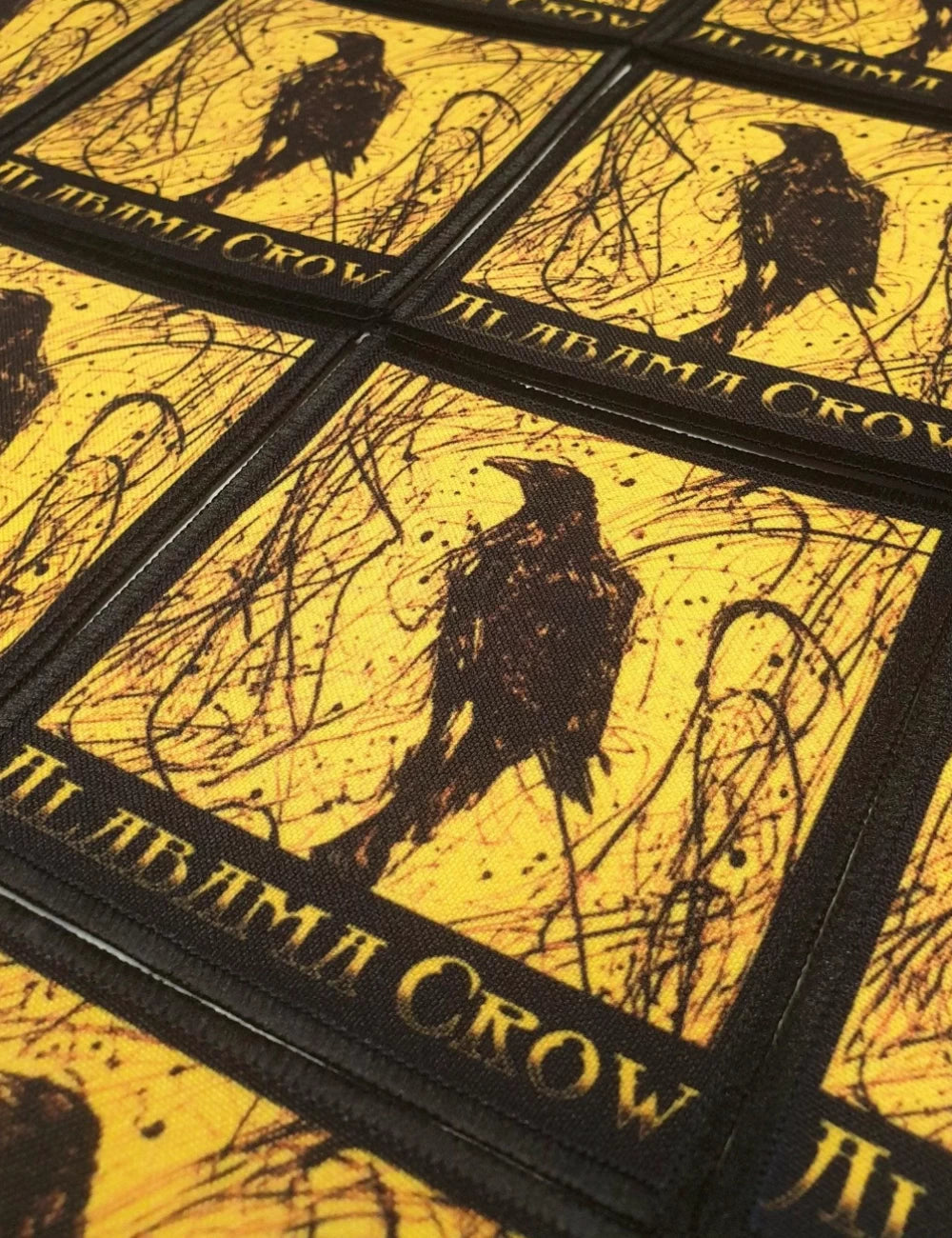
Production cost: £1.70–£15 | Recommended retail: £4–£20
Badges
Production cost: £0.40–£2.50 | Recommended retail: £1–£4
Tote Bags
Production cost: £3–£9.50 | Recommended retail: £10–£25
If your retail pricing sits significantly below these ranges, your margin probably isn't sustainable - especially once you factor in venue cuts, card fees, and tax.
Final Word
Your merch should do more than break even.
There's plenty more nuances to merch, touring, and band life than one guide can cover - but these points should give you a solid foundation, or at least a fresh perspective on where you're at.
Bands who price properly are funding tours, pressing vinyl, and using merch to genuinely grow. In 2026, confident pricing isn't greedy - it's strategic.
Before your next reorder, take the time to work out your numbers. It's worth it.
Helpful Resources
Download or use our free resources:
- Daily Merch Inventory Sheet
- Inventory Sheet
- Band Merch Profit Calculator
- Sales and Merch inventory sheet
Read more:




Share:
How To Make Custom Patches With Sublimation